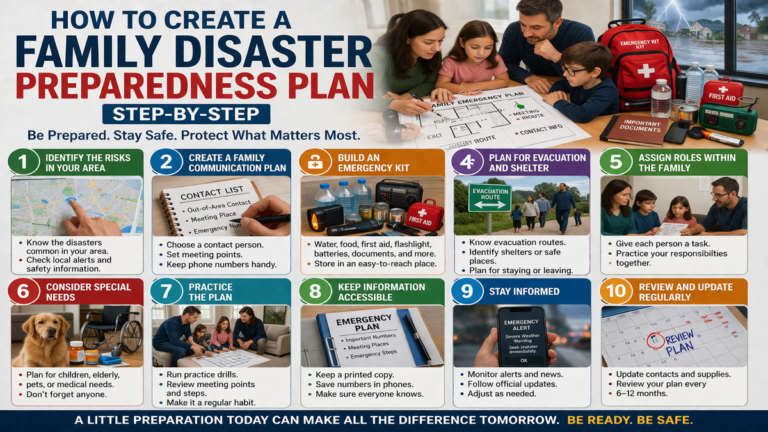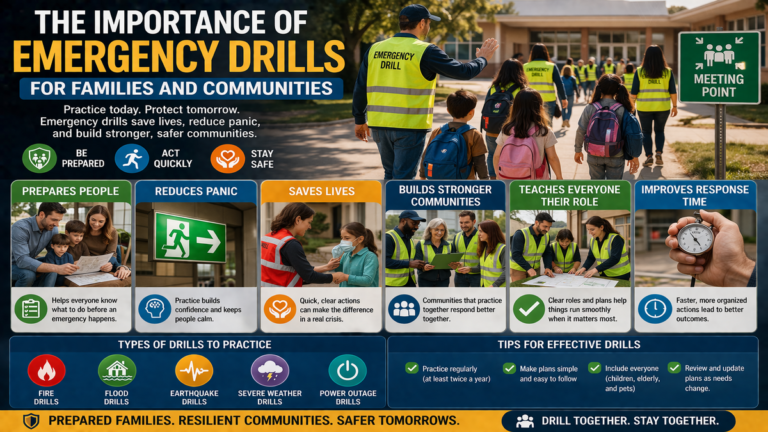
When an emergency hits, decisions come fast. You grab your phone, your essentials, maybe a bag near the door — and then there’s your pet, looking to you for direction.
That moment is where preparation really shows. Because when it comes to pet safety during emergencies, there’s no time to figure things out on the spot. Pets don’t understand what’s happening, and they depend entirely on you to keep them safe.
This guide breaks down what actually helps — before, during, and after an emergency.
Why Pet Safety Needs Separate Planning
It’s easy to assume pets will just follow along. In reality, emergencies can confuse or frighten them.
Pets may:
- Hide or run away
- Refuse to move
- React unpredictably
Planning specifically for your pet avoids last-minute stress and reduces risk for both of you.
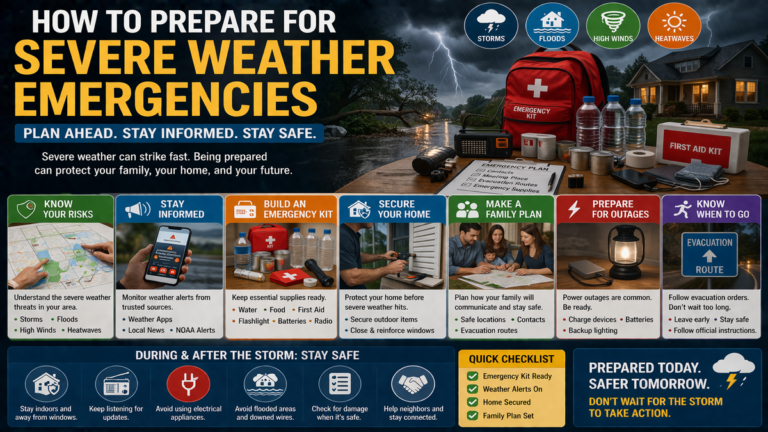
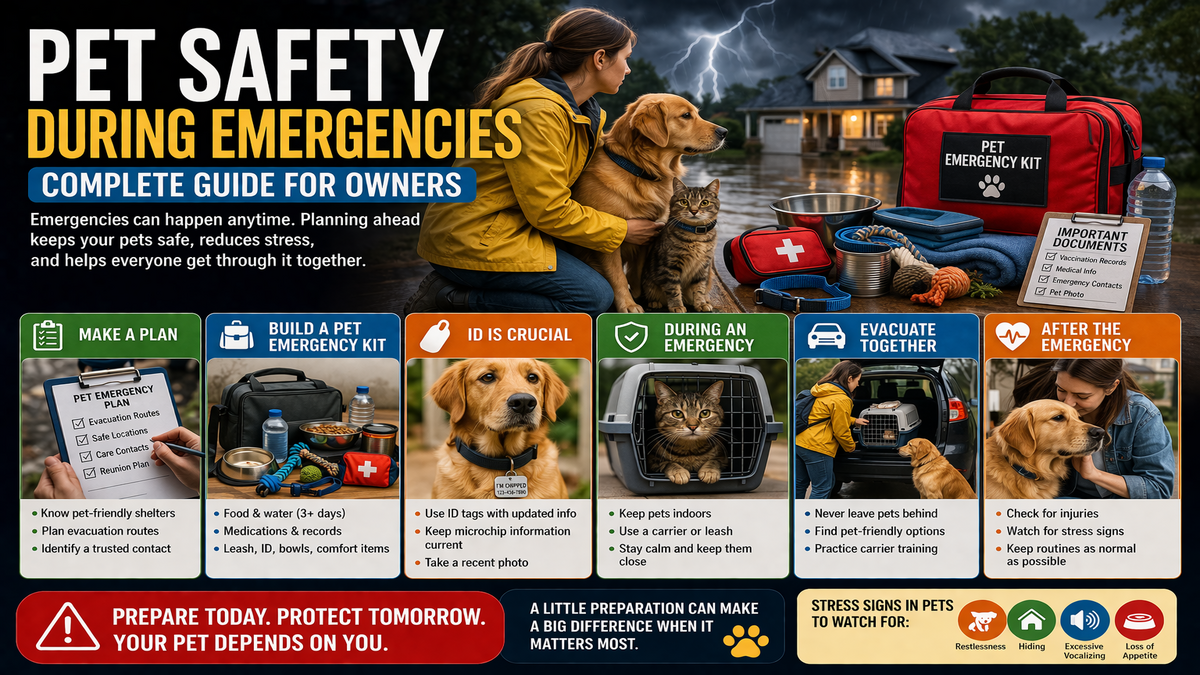
Start With a Pet Emergency Plan
A simple plan makes a big difference.
Decide in advance:
- Where your pet will stay during an emergency
- How you’ll transport them quickly
- Who can help if you’re not home
If evacuation is required, your pet should already be part of that plan — not an afterthought.
Build a Pet Emergency Kit
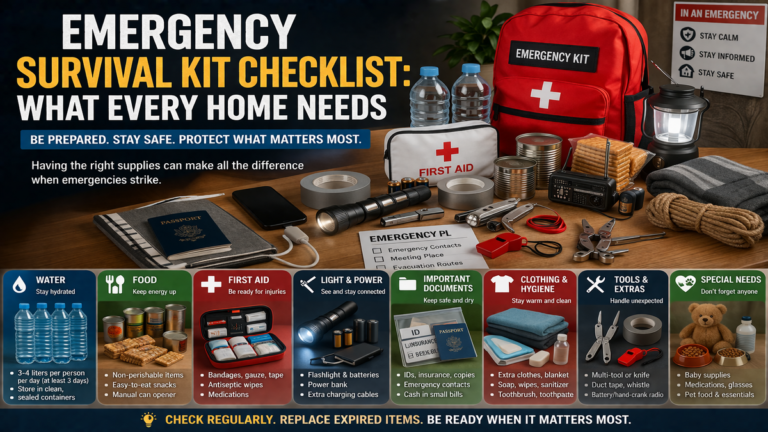
Just like your own emergency supplies, your pet needs a dedicated kit.
Include:
- Food and water for at least 3 days
- Bowls and feeding supplies
- Leash, collar, or harness
- Medical records and medications
- Comfort items like toys or blankets
Keep everything in one place so it’s easy to grab.
Identification Is Critical
In emergencies, pets can get separated from their owners.
Make sure your pet has:
- An ID tag with updated contact details
- A recent photo (for identification if lost)
These small steps significantly improve the chances of being reunited.
Preparing Your Home for Pet Safety
Before an emergency happens, look around your home from your pet’s perspective.
- Secure areas where pets might hide
- Keep carriers easily accessible
- Identify safe indoor spaces
Familiar surroundings can help keep pets calmer during stressful situations.
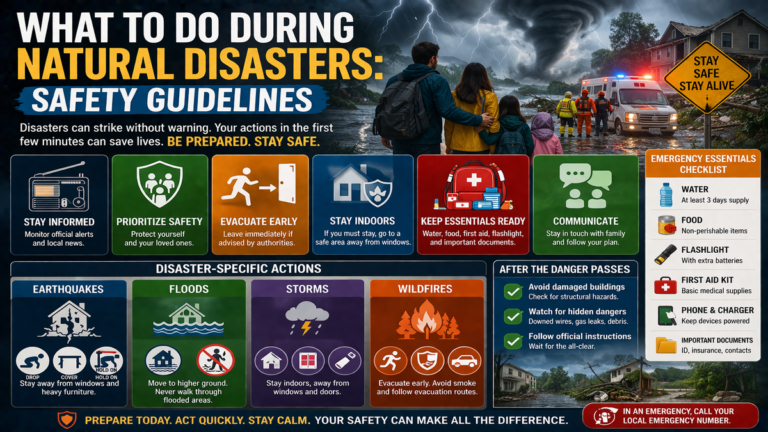
During an Emergency: Keep Pets Close
When something is happening, your first priority should be keeping your pet secure.
- Bring pets indoors immediately
- Use a leash or carrier if needed
- Avoid letting them roam freely
Even normally calm pets can behave differently under stress.
Evacuating With Pets
If evacuation is necessary, take your pet with you — always.
Plan ahead by:
- Knowing pet-friendly shelters or accommodations
- Keeping carriers ready
- Practicing getting your pet into a carrier quickly
Leaving pets behind, even temporarily, can put them at serious risk.
Managing Stress and Anxiety in Pets
Emergencies are confusing for animals.
You may notice:
- Restlessness or hiding
- Excessive barking or whining
- Changes in behavior
Stay calm and keep routines as consistent as possible. Your behavior helps influence theirs.
Special Considerations for Different Pets
Different animals have different needs.
- Dogs and cats: Require carriers, leashes, and familiar items
- Birds: Need secure cages and protection from temperature changes
- Small animals: Require stable enclosures and careful transport
Tailor your plan based on the type of pet you have.
After the Emergency: Stay Cautious
Even after the situation improves, risks may still exist.
- Check your surroundings before letting pets roam
- Watch for hazards like debris or contaminated water
- Monitor your pet’s behavior and health
Pets may take time to adjust after stressful events.
Common Mistakes Pet Owners Make
In emergencies, small oversights can have serious consequences.
Avoid:
- Forgetting to include pets in evacuation plans
- Not having a pet emergency kit ready
- Leaving pets outside during severe conditions
- Assuming pets will behave normally
Preparation helps prevent these situations.
The Bigger Picture
Pet safety isn’t separate from family safety — it’s part of it.
When pets are included in planning:
- Evacuations become smoother
- Stress is reduced
- Risks are easier to manage
It’s a small effort that makes a big difference.
The Takeaway
Understanding pet safety during emergencies comes down to one simple idea — plan ahead so you don’t have to improvise later.
Your pet depends on you in everyday life, and even more so during emergencies. With a little preparation, you can make sure they stay safe, secure, and close — no matter what happens.