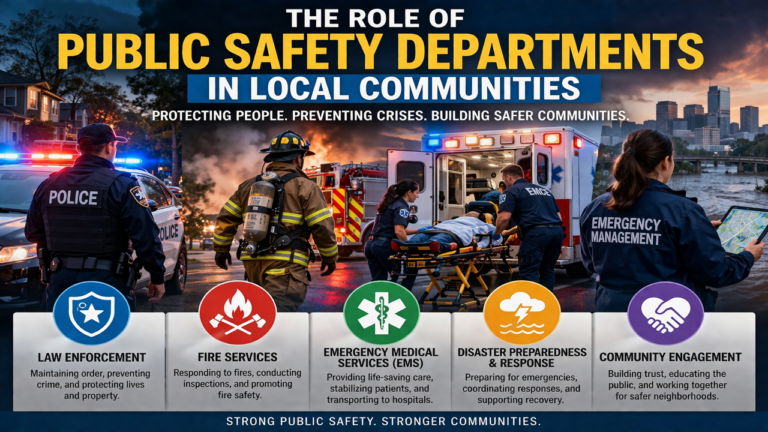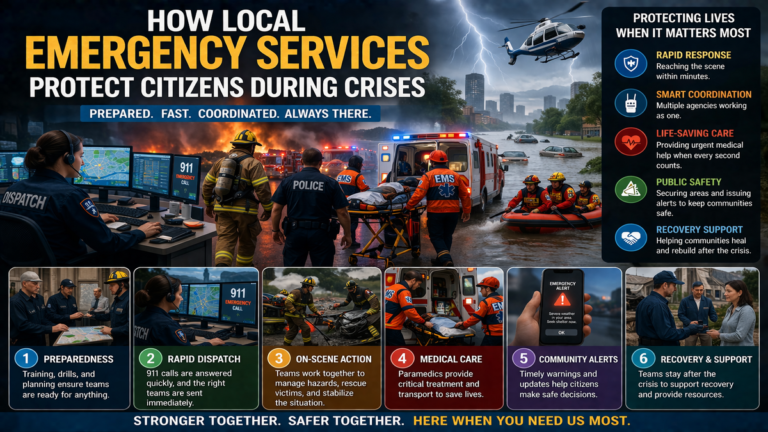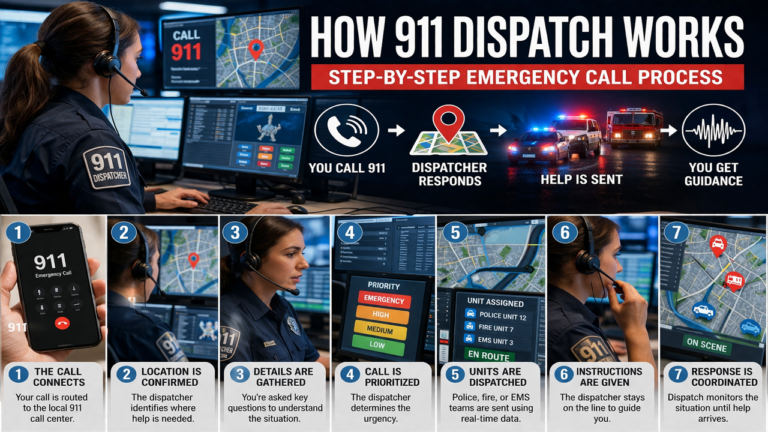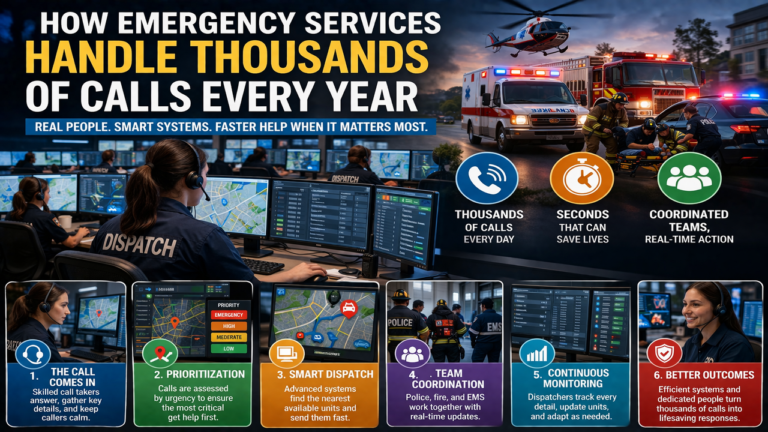
Sirens and flashing lights often signal control in chaos. But behind that response is a system under constant pressure. Emergency service providers — from dispatchers to paramedics and firefighters — are dealing with challenges that go far beyond what the public sees.
The reality is, modern emergencies are more complex, more frequent, and often harder to manage. Understanding the key challenges faced by emergency service providers today offers a clearer view of what it takes to keep communities safe.
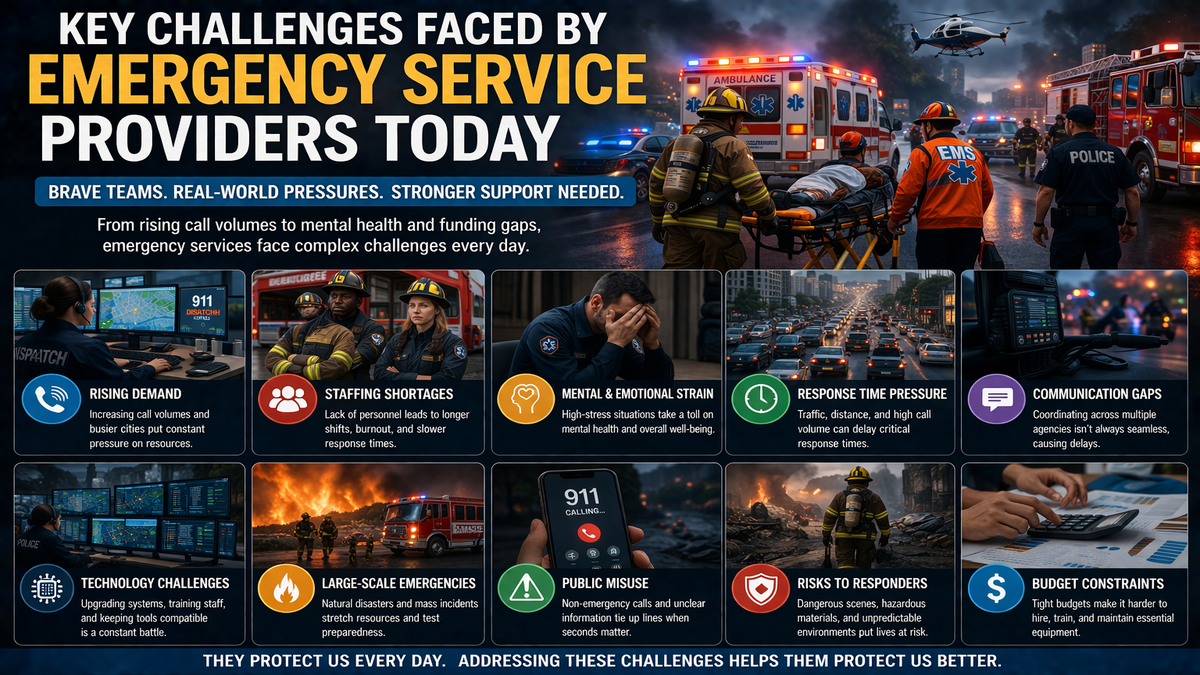
Rising Demand and Call Volume
One of the most immediate challenges is the sheer volume of calls.
Emergency services are handling:
- Increased population demands
- More frequent incidents in urban areas
- Repeated calls during large-scale events
Not every call is critical, but every call must be assessed. Managing high demand without slowing response times is an ongoing balancing act.
Limited Resources and Staffing
While demand grows, resources don’t always keep pace.
Many departments face:
- Staff shortages
- Budget constraints
- Limited equipment availability
This means teams often have to do more with less — covering larger areas, longer shifts, and more complex situations.
Mental and Emotional Pressure
Emergency work is not just physically demanding — it’s emotionally intense.
Responders regularly face:
- Life-threatening situations
- Traumatic incidents
- High-stress decision-making
Over time, this can lead to burnout, fatigue, and mental health challenges. Supporting the well-being of emergency personnel has become a major concern.
Response Time Pressure
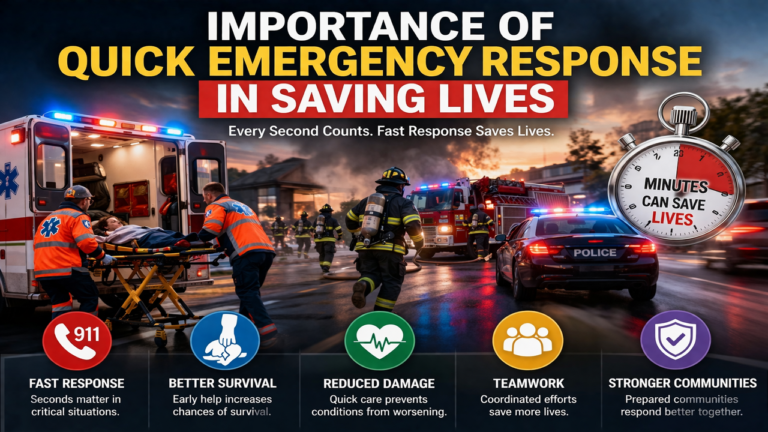
Public expectations for fast response are higher than ever.
While speed is critical, factors like:
- Traffic congestion
- Geographic challenges
- High call volumes
can affect how quickly teams arrive.
Emergency providers must constantly optimize response strategies to meet these expectations.
Communication and Coordination Challenges
Emergency response depends heavily on clear communication.
However, issues can arise when:
- Multiple agencies are involved
- Systems are not fully integrated
- Information is incomplete or delayed
Even small communication gaps can affect coordination during critical moments.
Technological Integration and Adaptation
Technology is improving emergency services, but it also brings challenges.
Departments must:
- Train staff on new systems
- Maintain and upgrade technology
- Ensure compatibility between different tools
Adapting to rapid technological change requires time, investment, and continuous learning.
Managing Large-Scale Emergencies
Natural disasters, mass incidents, and public health crises add another layer of complexity.
These situations require:
- Multi-agency coordination
- Rapid scaling of resources
- Long-term operational planning
Handling large-scale emergencies tests the limits of even well-prepared systems.
Public Awareness and Misuse of Services
Not all emergency calls are appropriate.
Misuse includes:
- Non-urgent calls to emergency numbers
- Lack of clear information during calls
- Delayed reporting of serious situations
These issues can slow response for those who need help most. Public awareness remains a critical factor.
Safety Risks for Responders
Emergency personnel often operate in unpredictable and dangerous environments.
Risks include:
- Exposure to hazardous conditions
- Physical danger at incident scenes
- Health risks during medical emergencies
Ensuring responder safety while delivering fast service is a constant challenge.
Maintaining Consistency Across Regions
Emergency services vary widely between regions.
Differences in:
- Infrastructure
- Funding
- Training standards
can affect the level of service provided.
Maintaining consistent quality across different areas is an ongoing effort.
Balancing Prevention and Response
Emergency services are expected to do more than respond — they must also prevent.
This includes:
- Public education programs
- Safety inspections
- Risk assessments
Balancing these responsibilities while managing daily emergencies adds to the workload.
The Bigger Picture
The challenges faced by emergency service providers are not isolated. They are connected — demand affects staffing, staffing affects response time, and response time affects outcomes.
Despite these pressures, the system continues to function, largely because of the people within it.
The Takeaway
The key challenges faced by emergency service providers today highlight just how complex modern emergency response has become. It’s not just about reacting quickly — it’s about managing demand, supporting personnel, adapting to change, and maintaining coordination under pressure.
For the public, understanding these challenges offers perspective. Behind every response is a system working hard to keep up — and keep people safe.