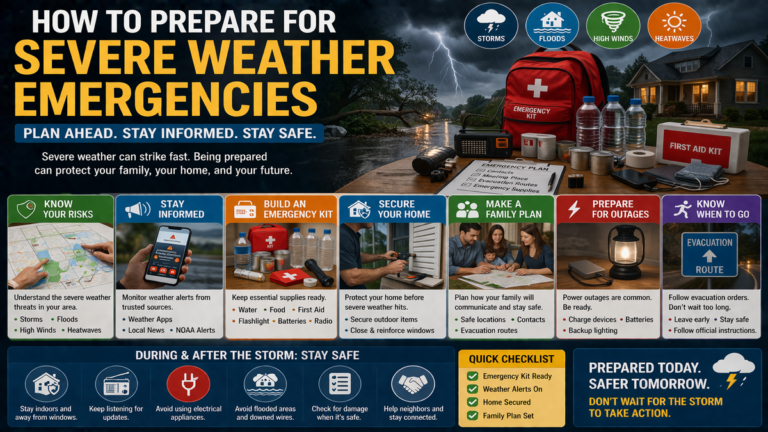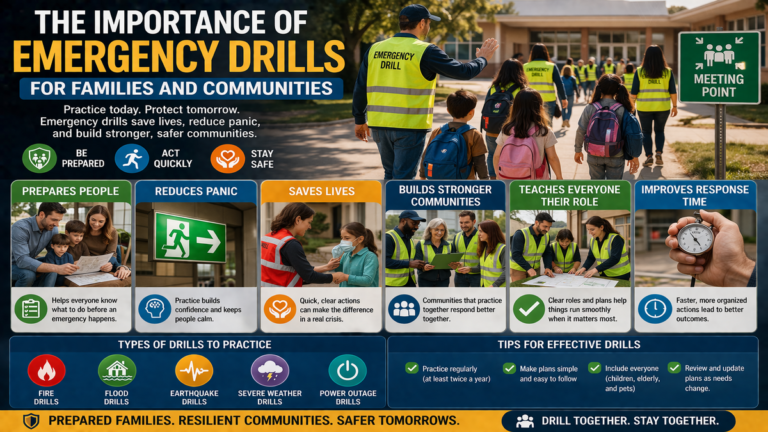
It usually starts the same way — a news alert, a weather warning, or a sudden disruption that no one saw coming. In those moments, families don’t have time to figure things out from scratch. They rely on what they’ve already planned.
That’s why having a family disaster preparedness plan isn’t about fear — it’s about clarity. When everyone knows what to do, even stressful situations become more manageable.
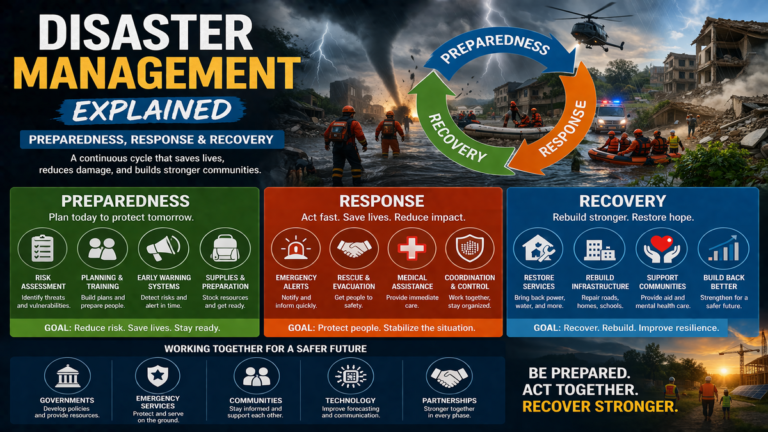
Here’s a practical, step-by-step guide to building a plan that actually works when you need it.
Why Every Family Needs a Disaster Plan
Emergencies don’t give advance notice. Power outages, floods, fires, or even local incidents can disrupt daily life within minutes.
A plan helps your family:
- Act quickly without confusion
- Stay connected if separated
- Reduce panic during stressful situations
It doesn’t have to be complicated — just clear and realistic.
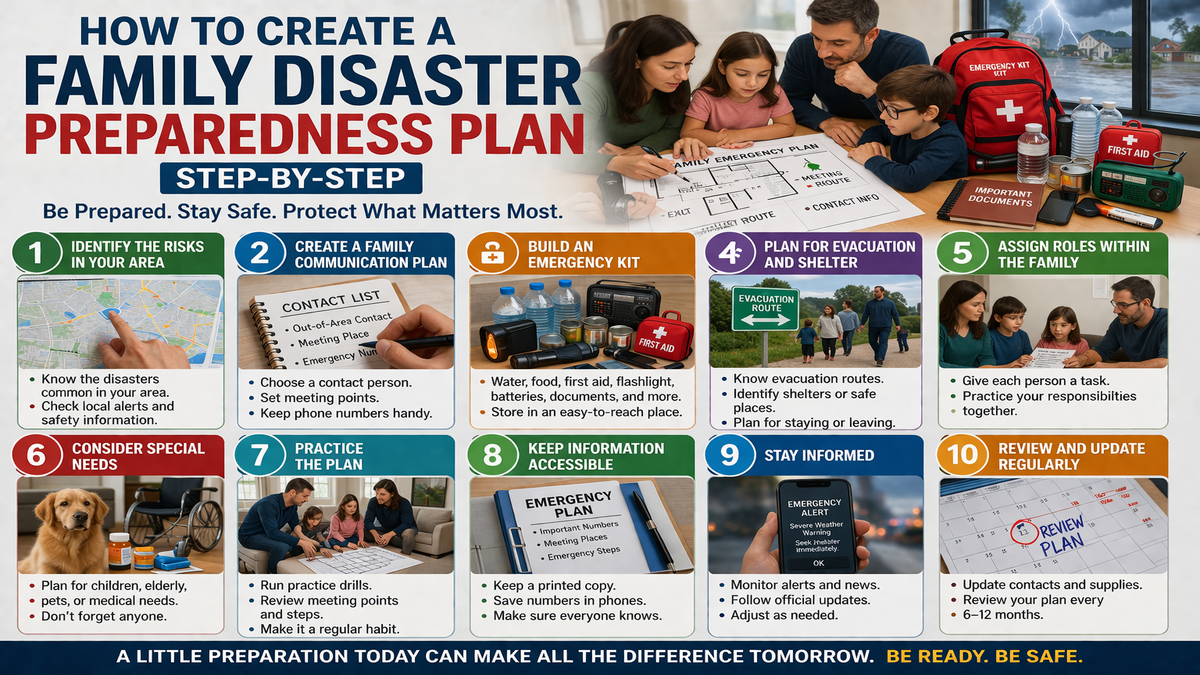
Step 1: Identify the Risks in Your Area
Start by understanding what types of emergencies are most likely where you live.
Common risks include:
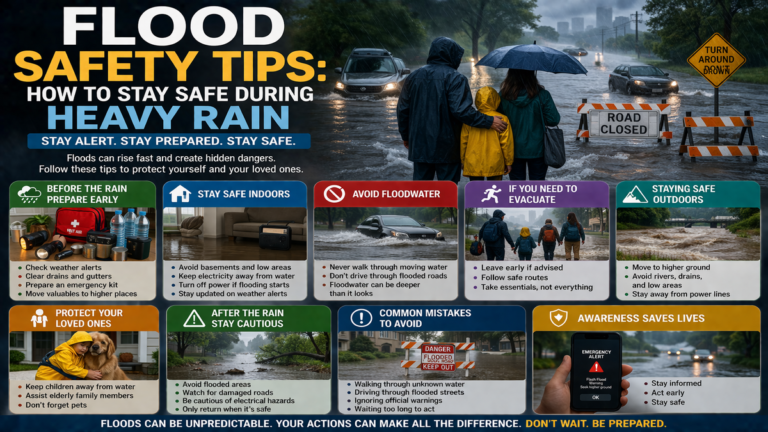
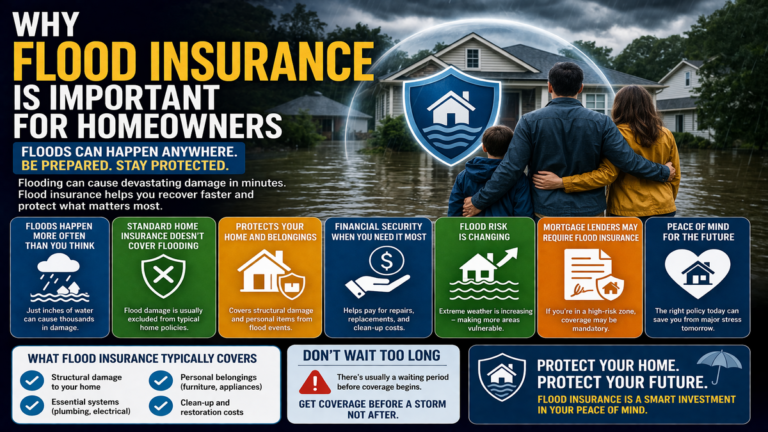
- Flooding or heavy storms
- Earthquakes
- Fires
- Power outages
- Local safety incidents
Knowing your risks helps you prepare for situations that are actually relevant to your family.
Step 2: Create a Family Communication Plan
One of the biggest challenges during emergencies is staying in touch.
Decide in advance:
- Who to contact if family members are separated
- A common meeting point near your home
- An alternate meeting location outside your neighborhood
It’s also useful to have an out-of-area contact — someone everyone can check in with if local communication is disrupted.
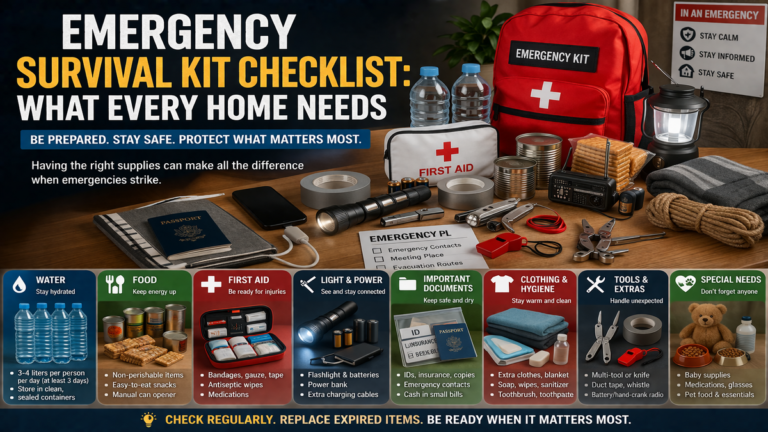
Step 3: Build an Emergency Kit
An emergency kit doesn’t need to be expensive, but it should cover basic needs for at least a few days.
Include:
- Drinking water
- Non-perishable food
- Flashlights and batteries
- Basic first aid supplies
- Important documents (copies)
- Mobile chargers or power banks
Keep the kit in an accessible place and check it periodically.
Step 4: Plan for Evacuation and Shelter
Some situations require leaving home quickly, while others may require staying inside.
Prepare for both:
- Know evacuation routes in your area
- Identify nearby shelters or safe locations
- Plan how to leave quickly if needed
If staying home is safer, make sure you have supplies and a safe area within the house.
Step 5: Assign Roles Within the Family
In an emergency, clear roles reduce confusion.
For example:
- One person gathers the emergency kit
- Another checks on younger children or elderly members
- Someone ensures doors and utilities are secured if time allows
Simple role assignments help everyone act faster.
Step 6: Consider Special Needs
Every family is different, and your plan should reflect that.
Think about:
- Children who may need extra guidance
- Elderly family members
- Pets
- Medical conditions requiring medication or equipment
Planning ahead ensures no one is overlooked.
Step 7: Practice the Plan
A plan is only useful if people remember it.
Run simple practice drills:
- Review meeting points
- Walk through evacuation steps
- Test communication methods
Practice doesn’t need to be formal — just enough to make the plan familiar.
Step 8: Keep Information Accessible
During an emergency, searching for details wastes time.
Make sure everyone knows:
- Where the emergency kit is
- Key contact numbers
- Basic steps of the plan
You can also keep a printed version of the plan in an easy-to-find place.
Step 9: Stay Informed
Situations change quickly during emergencies.
Stay updated through:
- Local alerts and notifications
- News updates
- Official guidance from authorities
Reliable information helps you make better decisions in real time.
Step 10: Review and Update Regularly
A disaster preparedness plan isn’t something you create once and forget.
Update it when:
- Family members move or change routines
- Contact details change
- New risks emerge
Keeping the plan current ensures it stays useful.
The Bigger Picture
Preparedness isn’t about expecting the worst. It’s about reducing uncertainty.
Families that plan ahead don’t eliminate emergencies — but they handle them with more control and less confusion.
The Takeaway
Creating a family disaster preparedness plan is one of the most practical steps you can take to protect your household. It doesn’t require special training — just a bit of planning, communication, and awareness.
When something unexpected happens, having a plan means you’re not starting from zero. And in those moments, that makes all the difference.