When a crisis hits — whether it’s a flood, a fire, or a major accident — most people see the response in flashes: sirens, uniforms, urgency. What’s less visible is the system holding everything together in real time.
Local emergency services don’t just react. They organize, coordinate, and adapt under pressure to keep communities safe when conditions are anything but stable.
Understanding how they operate during crises shows just how much depends on preparation, communication, and trust.
The First Response: Acting Within Minutes
The moment a crisis is reported, local emergency services move quickly.
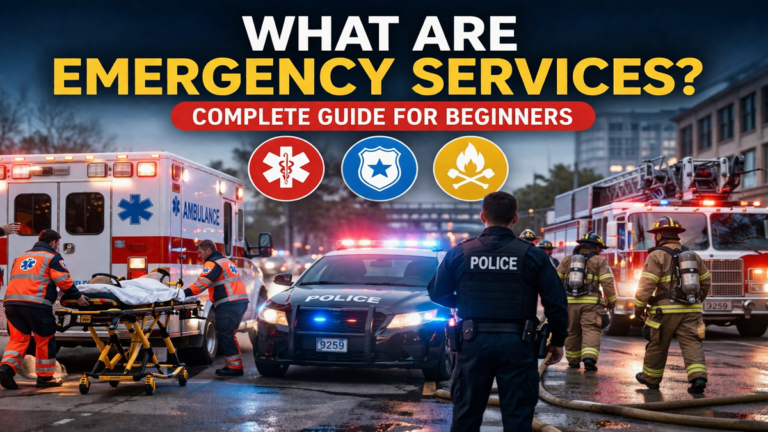
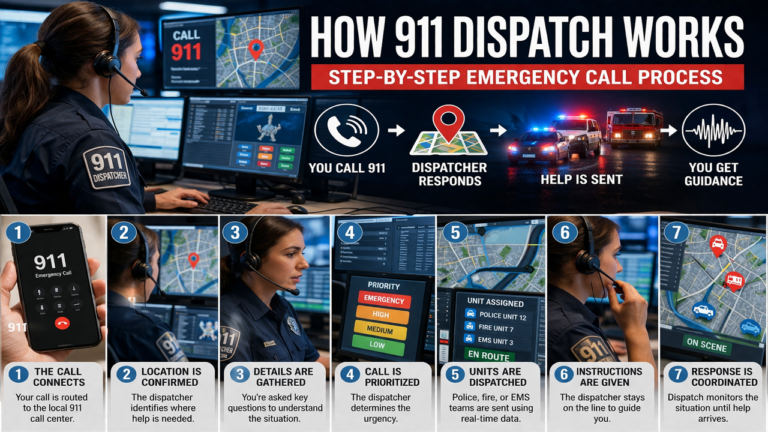
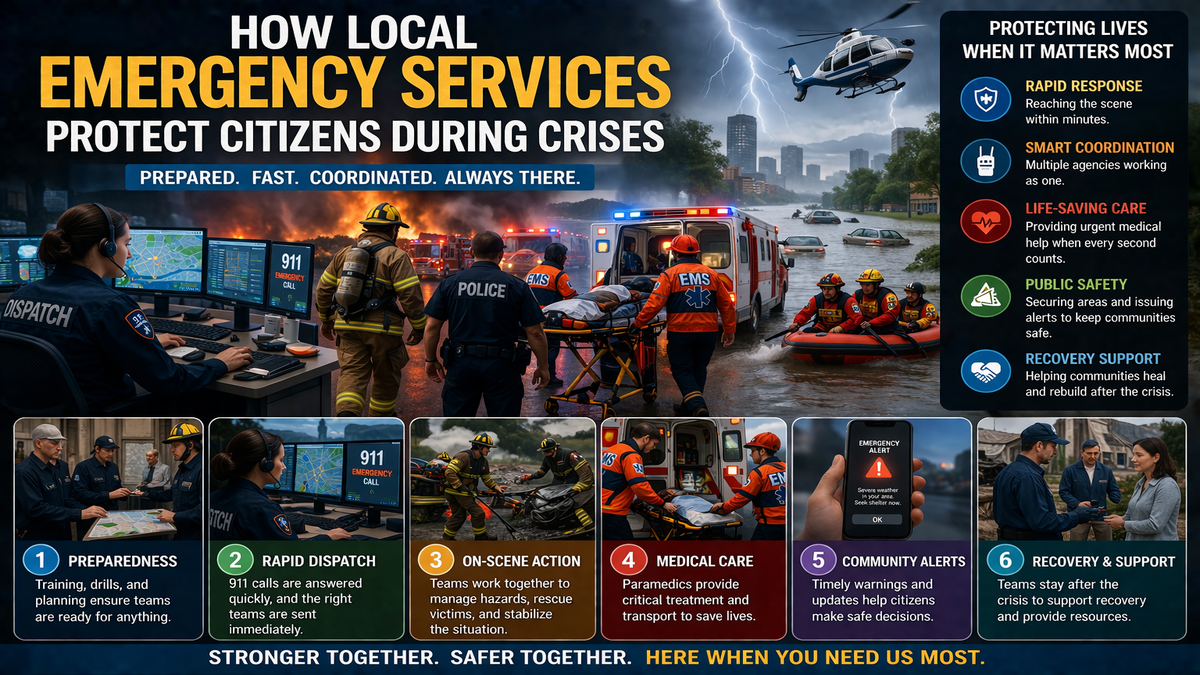
Dispatch centers assess the situation and send the nearest available units. In many cases, multiple services are deployed at once — police, fire, and medical teams working together from the start.
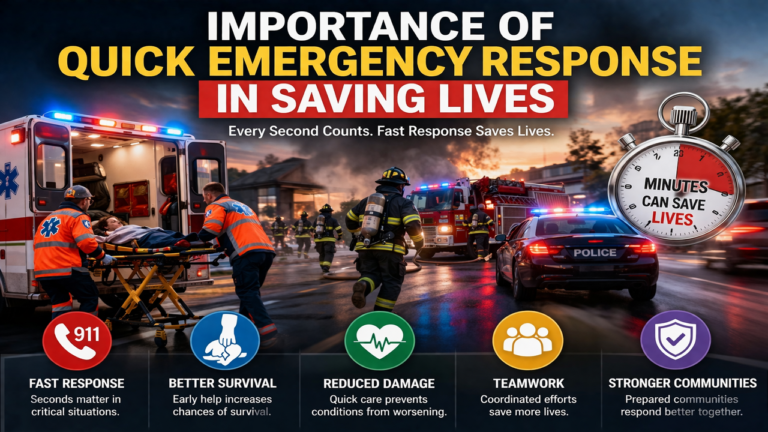
Speed matters, but so does clarity. The first few minutes set the direction for everything that follows.
Coordinated Efforts Across Multiple Agencies
Crises rarely involve just one type of response.
During a large incident, different agencies must work side by side:
- Fire services manage hazards and rescue
- Medical teams treat and transport the injured
- Police maintain safety and control the area
Local emergency services act as the link between these teams, ensuring efforts are aligned rather than overlapping.
Coordination prevents confusion when stakes are high.
Real-Time Communication Keeps Everything Moving
Communication is constant during a crisis.
Teams rely on:
- Dispatch updates
- Radio communication
- Digital tracking systems
Information flows both ways — from the scene back to command centers, and from dispatch to responders.
This allows teams to adjust quickly as situations change, which they often do.
Managing the Scene Safely and Efficiently
Once responders arrive, their focus shifts to control and safety.
This includes:
- Securing the area to prevent further harm
- Identifying immediate risks
- Prioritizing those who need urgent help
Managing a crisis scene isn’t just about action — it’s about structure. Without it, even skilled teams can lose effectiveness.
Providing Immediate Medical Care
In many crises, medical response is the most time-sensitive element.
Emergency medical teams:
- Stabilize patients on-site
- Provide life-saving interventions
- Transport individuals to hospitals
Early medical care can significantly improve survival and recovery outcomes.
Protecting the Wider Community
Local emergency services don’t only focus on those directly involved in the crisis.
They also work to protect the surrounding community by:
- Controlling traffic and access points
- Issuing public warnings or evacuation orders
- Monitoring for secondary risks
This broader view helps prevent a crisis from expanding.
Preparing Before Crises Even Begin
Much of what makes emergency response effective happens long before a crisis occurs.
Preparation includes:
- Training exercises and simulations
- Risk assessments for local hazards
- Developing response and evacuation plans
These efforts reduce uncertainty when real events happen.
Prepared teams respond faster — and more effectively.
Using Technology to Improve Response
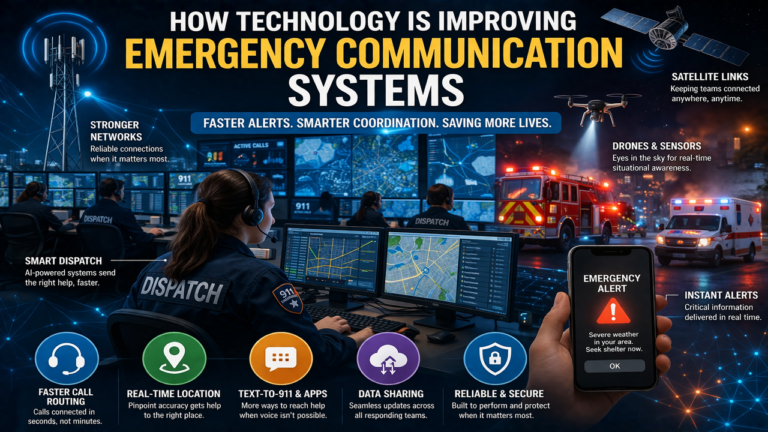
Modern local emergency services rely heavily on technology.
Tools such as:
- GPS tracking for faster deployment
- Computer-aided dispatch systems
- Emergency alert systems for the public
help improve both speed and coordination.
Technology supports the response, but people drive it.
Supporting Recovery After the Crisis
Response doesn’t end when the immediate danger passes.
Emergency services often assist with:
- Securing affected areas
- Supporting recovery operations
- Coordinating with other agencies for long-term assistance
This phase helps communities return to normal as safely as possible.
The Human Element Behind the System
Behind every response are people making decisions under pressure.
Responders must stay focused, communicate clearly, and adapt to changing conditions — often within seconds.
Their ability to remain calm and organized is what keeps the system functioning during chaos.
What Citizens Can Do During a Crisis
Public cooperation plays a big role in how effectively emergency services operate.
Simple actions help:
- Following official instructions
- Avoiding restricted areas
- Providing accurate information when needed
Crisis response works best when communities and emergency services work together.
The Takeaway
Understanding how local emergency services protect citizens during crises shows that response is more than just speed. It’s about coordination, communication, and preparation working together under pressure.
Most of this happens out of sight — but its impact is immediate and real.
When systems are prepared and people know their roles, even the most difficult situations become more manageable.