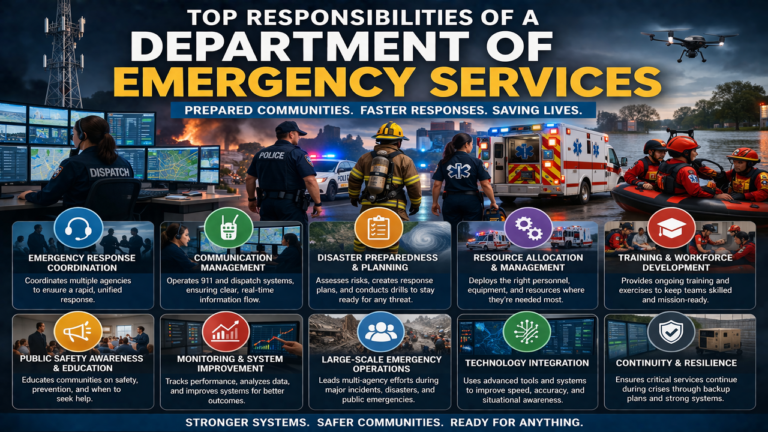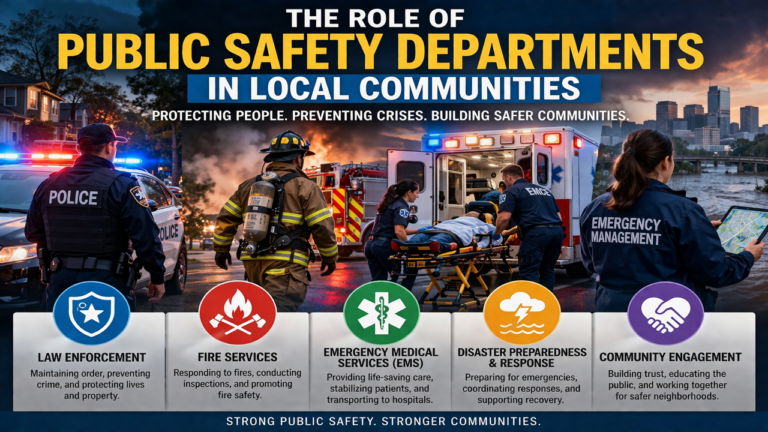
In an emergency, most people remember one thing: dial 911. What happens next is less obvious. On the other end of that call is a fast-moving system designed to turn confusion into action within seconds.
Understanding how 911 dispatch works isn’t just interesting — it can actually help you respond better in a crisis. The process is structured, precise, and built to get help moving as quickly as possible.
What Happens the Moment You Call 911
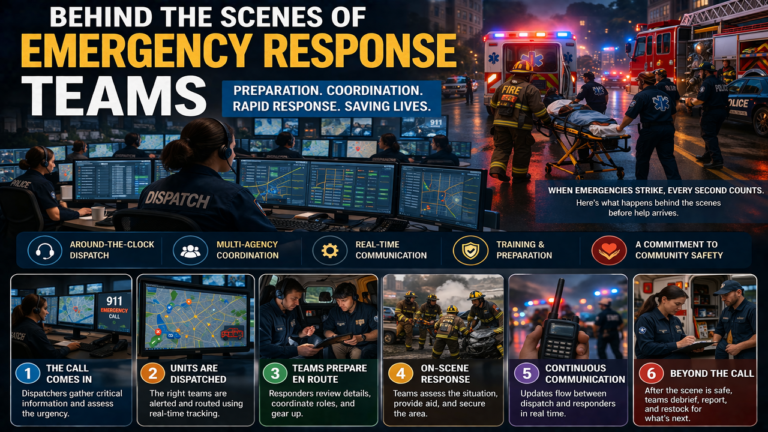
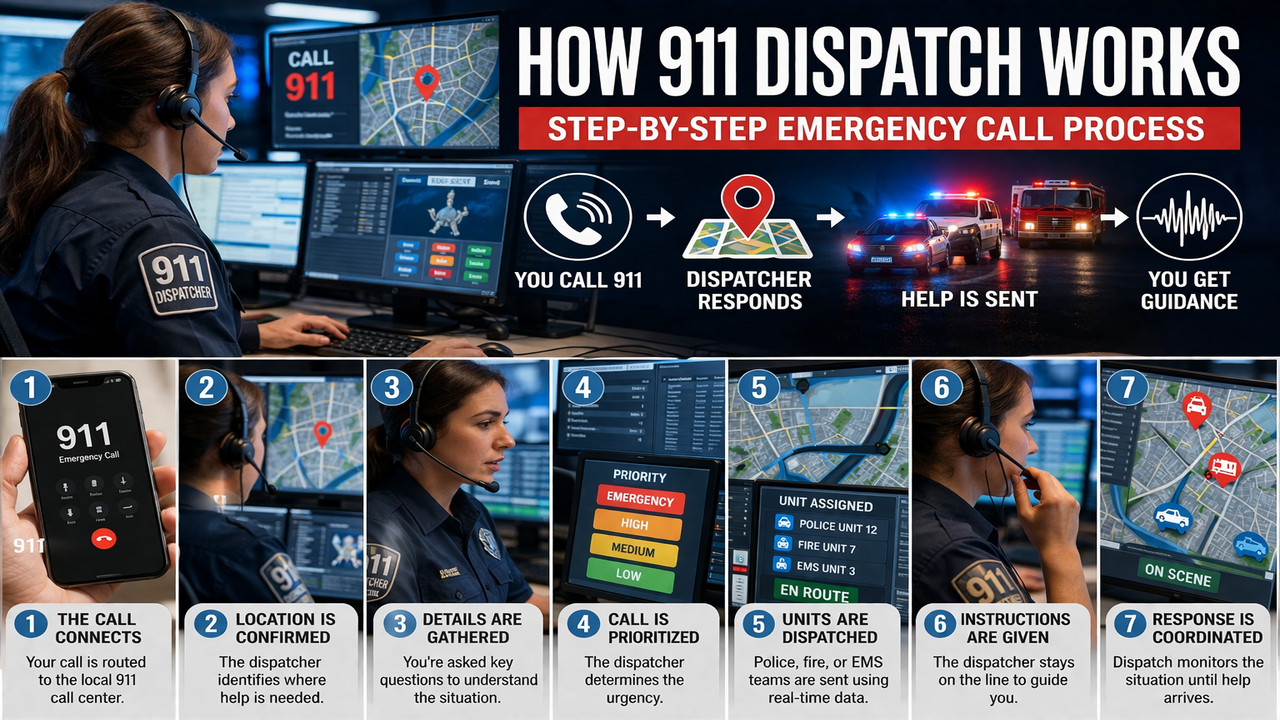
The second a 911 call connects, it’s routed to a Public Safety Answering Point (PSAP) — essentially a local emergency call center.
A trained dispatcher answers the call, often with a simple question:
“911, what’s your emergency?”
That question isn’t casual. It’s designed to immediately identify the type of response needed — police, fire, medical, or a combination.
Step 1: Identifying the Location
Before anything else, dispatchers focus on location.
Even if your phone provides automatic location data, dispatchers still ask you to confirm it. Technology helps, but it isn’t always precise — especially indoors or in rural areas.
If the location isn’t clear, response gets delayed. That’s why this step comes first, every time.
Step 2: Determining the Nature of the Emergency
Once the location is confirmed, the dispatcher quickly gathers details about what’s happening.
They may ask:
- What exactly happened?
- Is anyone injured?
- Is the situation ongoing or contained?
The goal is to classify the emergency accurately. A medical issue, a fire, and a crime scene all require different types of response — and sometimes multiple agencies at once.
Step 3: Prioritizing the Call
Not all emergencies are equal in urgency. Dispatch systems are built to prioritize calls based on severity.
Life-threatening situations — like cardiac arrest or active danger — are handled immediately. Lower-risk situations may still receive help, but with different urgency.
This prioritization ensures that limited resources are used where they’re needed most.
Step 4: Dispatching the Right Units
As the dispatcher gathers information, they’re often already sending help.
Using computer-aided dispatch (CAD) systems, they alert the nearest available units — police officers, firefighters, or ambulance teams.
These responders receive:
- The location
- The type of emergency
- Key details from the caller
In many cases, this happens within seconds of the call starting.
Step 5: Staying on the Line and Giving Instructions
The dispatcher doesn’t hang up once help is sent.
They stay on the line to:
- Provide instructions (like CPR guidance)
- Help keep the caller calm
- Update responders with new information
This step can be critical. In medical emergencies, dispatcher-guided first aid has been shown to improve survival outcomes.
Step 6: Coordinating Multiple Responders
Some emergencies require more than one service.
For example:
- A car accident may involve police, fire, and EMS
- A house fire may require multiple fire units and medical support
- A violent incident may involve law enforcement and paramedics
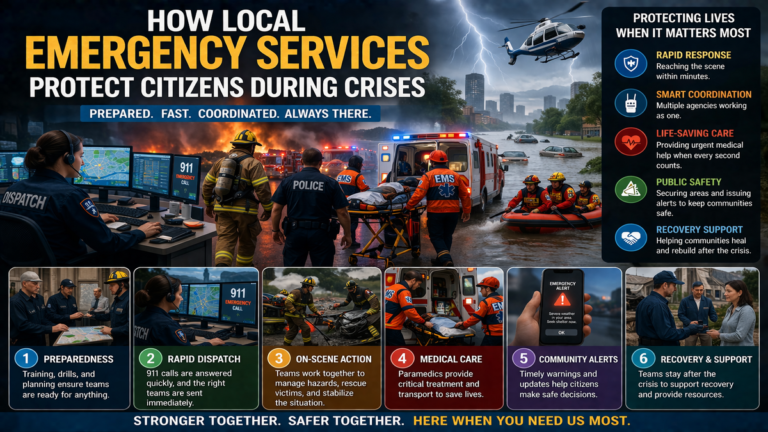
Dispatchers coordinate all of this in real time, ensuring teams arrive in the right sequence and with the right information.
Step 7: Continuous Updates and Monitoring
Even after units are dispatched, the process continues.
Dispatchers monitor:
- Changes in the situation
- Updates from responders on the scene
- Additional calls related to the same incident
They act as the communication hub, keeping everyone connected and informed.
The Human Side of 911 Dispatch
It’s easy to think of dispatch as a technical system, but it’s deeply human work.
Dispatchers are trained to:
- Stay calm under pressure
- Extract clear information from distressed callers
- Make quick decisions with limited data
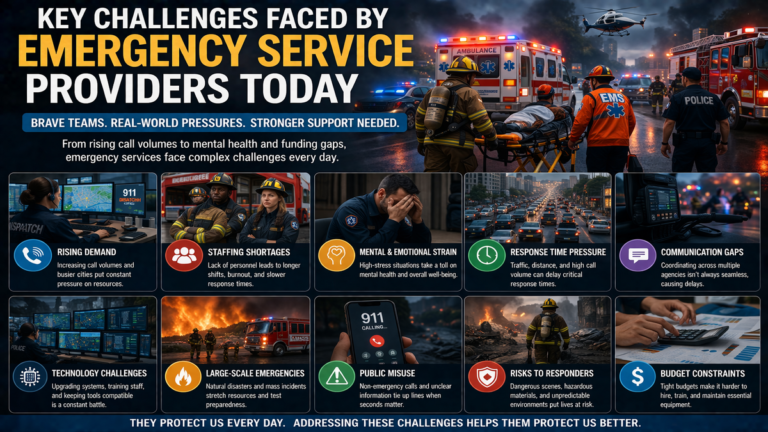
They often deal with high-stress, emotional situations — sometimes back-to-back, without pause.
Common Mistakes Callers Make
In emergencies, people don’t always think clearly. But a few common mistakes can slow things down:
- Not knowing or stating the location clearly
- Hanging up too early
- Providing unclear or incomplete information
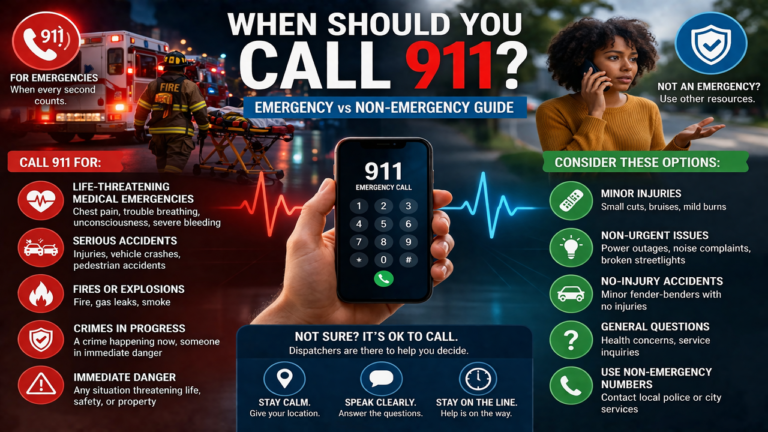
- Calling for non-emergencies
Even small delays can affect response time, which is why dispatcher questions may feel repetitive — they’re not, they’re deliberate.
How Technology Is Improving 911 Dispatch
Modern systems are making dispatch faster and more accurate.
Some improvements include:
- Enhanced GPS and location tracking
- Text-to-911 services in certain areas
- Integration with smart devices and vehicles
- Real-time data sharing with responders
Still, human judgment remains at the center of the process.
What You Should Remember in an Emergency
If you ever need to call 911, a few simple things can help:
- Stay as calm as possible
- Know your location or nearby landmarks
- Answer questions clearly and directly
- Follow the dispatcher’s instructions
You don’t need to know everything — just communicate what you can.
The Takeaway
Understanding how 911 dispatch works reveals just how much coordination happens behind a single phone call. From identifying your location to sending the right responders and guiding you through the moment, every step is designed to save time — and lives.
It’s a system built on speed, clarity, and trust. And in an emergency, knowing how it works can make all the difference.