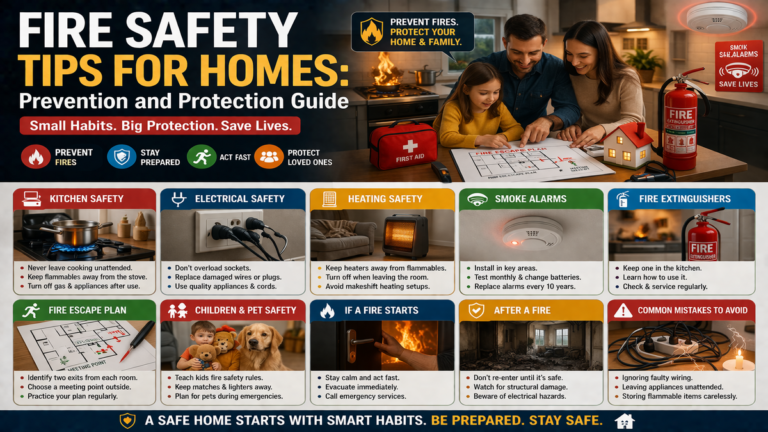
Most homes feel safe by default. You lock the doors, switch off appliances, and go about your day without much thought. But many household risks don’t come from big, obvious dangers — they come from small, overlooked details.
A loose wire, a slippery floor, an unattended stove — these are the kinds of things that quietly increase risk over time. That’s where a practical home safety checklist becomes useful. Not as a one-time task, but as a simple way to stay aware and prevent problems before they happen.
Here’s a clear, realistic guide to help you make your home safer.
Why Home Safety Should Be a Routine, Not a Reaction
Accidents at home are more common than people expect. Fires, falls, electrical issues — many of them are preventable with basic precautions.
A checklist helps you:
- Spot risks early
- Build safer habits
- Reduce the chances of emergencies
It’s less about doing everything perfectly and more about staying consistent.
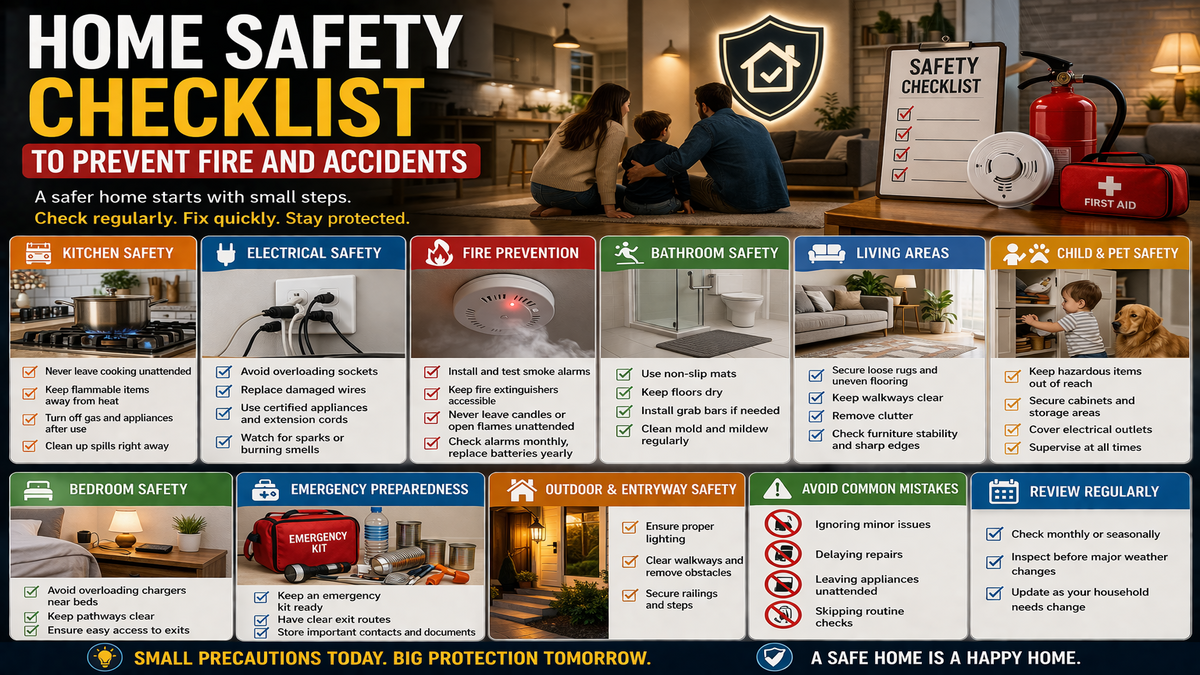
Kitchen Safety: The Most Active Risk Zone
The kitchen is one of the most common places for both fires and accidents.
Check regularly:
- Never leave cooking unattended
- Keep flammable items away from heat sources
- Turn off gas and appliances after use
Also watch for spills and clutter — slips and burns often happen when things get rushed.
Electrical Safety at Home
Electrical hazards are often hidden until something goes wrong.
Use this checklist:
- Avoid overloading sockets
- Replace damaged wires immediately
- Use certified appliances and extension cords
If you notice sparks, unusual heat, or burning smells, don’t ignore them.
Fire Prevention Essentials
Preventing fires is mostly about attention and routine checks.
Make sure:
- Smoke alarms are installed and working
- Fire extinguishers are accessible
- Candles and open flames are never left unattended
Small precautions can stop a situation from escalating.
Bathroom and Slip Prevention
Bathrooms are a common source of household accidents.
Reduce risks by:
- Using non-slip mats
- Keeping floors dry
- Installing grab bars if needed
Most bathroom injuries happen quickly — prevention is key.
Living Areas and General Safety
Everyday spaces can also carry hidden risks.
Check for:
- Loose rugs or uneven flooring
- Clutter that can cause trips
- Sharp edges or unstable furniture
Keeping spaces organized improves both safety and comfort.
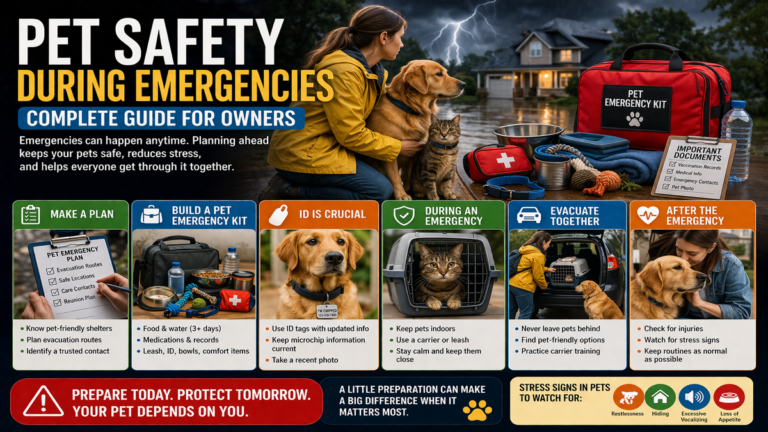
Child and Pet Safety Considerations
Homes with children or pets need extra attention.
- Keep hazardous items out of reach
- Secure cabinets and storage areas
- Cover electrical outlets if needed
A safe environment should consider everyone in the household.
Bedroom Safety Tips
Bedrooms may seem low-risk, but they still require attention.
- Avoid overloading charging devices near beds
- Keep pathways clear for quick movement
- Ensure easy access to exits
Safety during sleep is just as important as during the day.
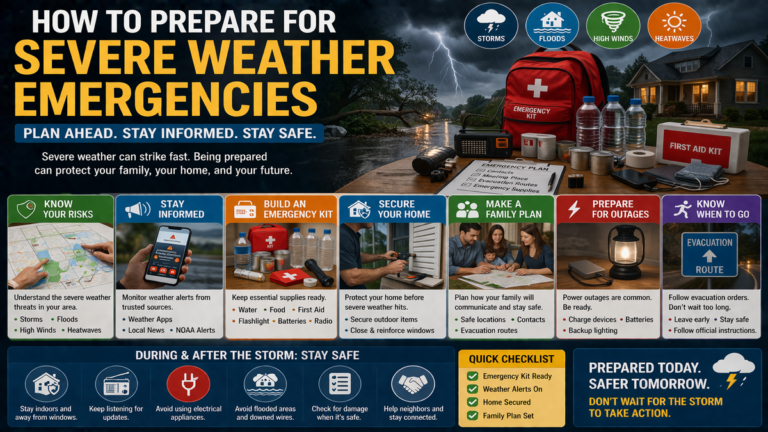
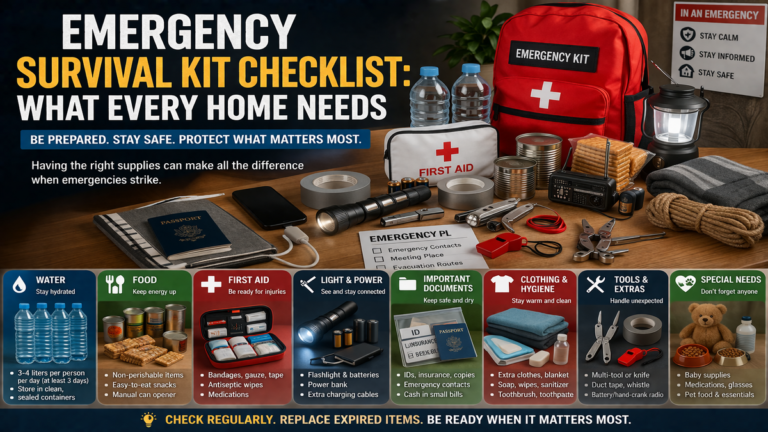
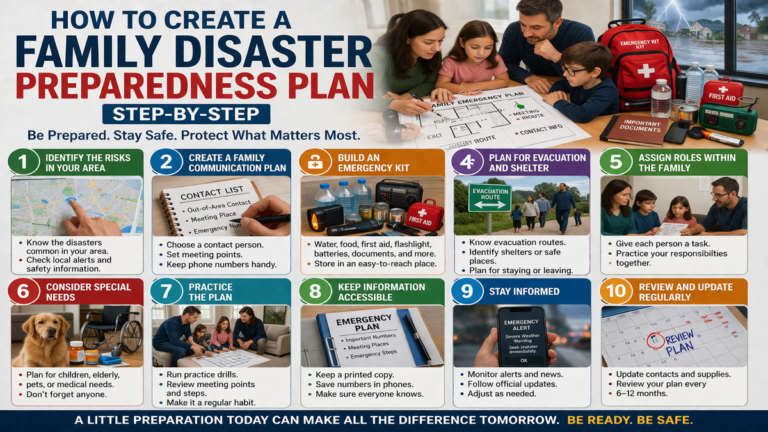
Emergency Preparedness at Home
Even with precautions, emergencies can still happen.
Prepare by:
- Keeping an emergency kit ready
- Having clear exit routes
- Storing important contacts and documents
Preparedness adds an extra layer of protection.
Outdoor and Entryway Safety
Safety doesn’t stop at the front door.
Check:
- Proper lighting around entrances
- Clear walkways free of obstacles
- Secure railings and steps
Outdoor areas are often overlooked but equally important.
Common Mistakes to Avoid
Many home accidents happen due to small oversights.
Avoid:
- Ignoring minor issues like loose wires
- Delaying repairs
- Leaving appliances unattended
- Overlooking routine checks
Consistency matters more than effort.
How Often Should You Review Your Checklist?
A home safety checklist isn’t something you complete once.
Make it a habit to:
- Review monthly or seasonally
- Check before major weather changes
- Update as your household needs change
Regular checks keep risks under control.
The Bigger Picture
Home safety isn’t about turning your space into a controlled environment. It’s about reducing avoidable risks while maintaining comfort.
Small adjustments, repeated over time, make the biggest difference.
The Takeaway
A home safety checklist to prevent fire and accidents doesn’t need to be complicated. It just needs to be practical and consistent.
Most hazards are preventable — and staying aware is often all it takes to avoid them.