Heavy rain often starts as background noise — steady, familiar, easy to ignore. But when it doesn’t stop, things change quickly. Streets begin to fill, drains overflow, and what looked manageable can turn risky within minutes.
That’s why knowing a few practical flood safety tips isn’t just useful — it’s necessary. Flooding is one of the most common natural hazards, and it doesn’t always give much warning.
Here’s how to stay safe before, during, and after heavy rain.
Why Flooding Becomes Dangerous So Quickly
Floodwater isn’t just water.
It can carry debris, hide open drains, damage roads, and disrupt power lines. Even shallow water can be risky — especially when it’s moving.
In many cases, the danger isn’t obvious until it’s too late.
Before Heavy Rain: Simple Steps That Make a Difference
Preparation doesn’t have to be complicated. A few small steps can reduce risk significantly.
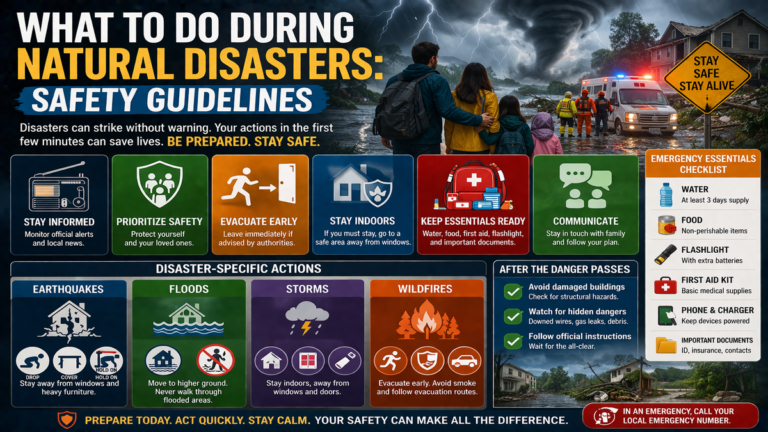
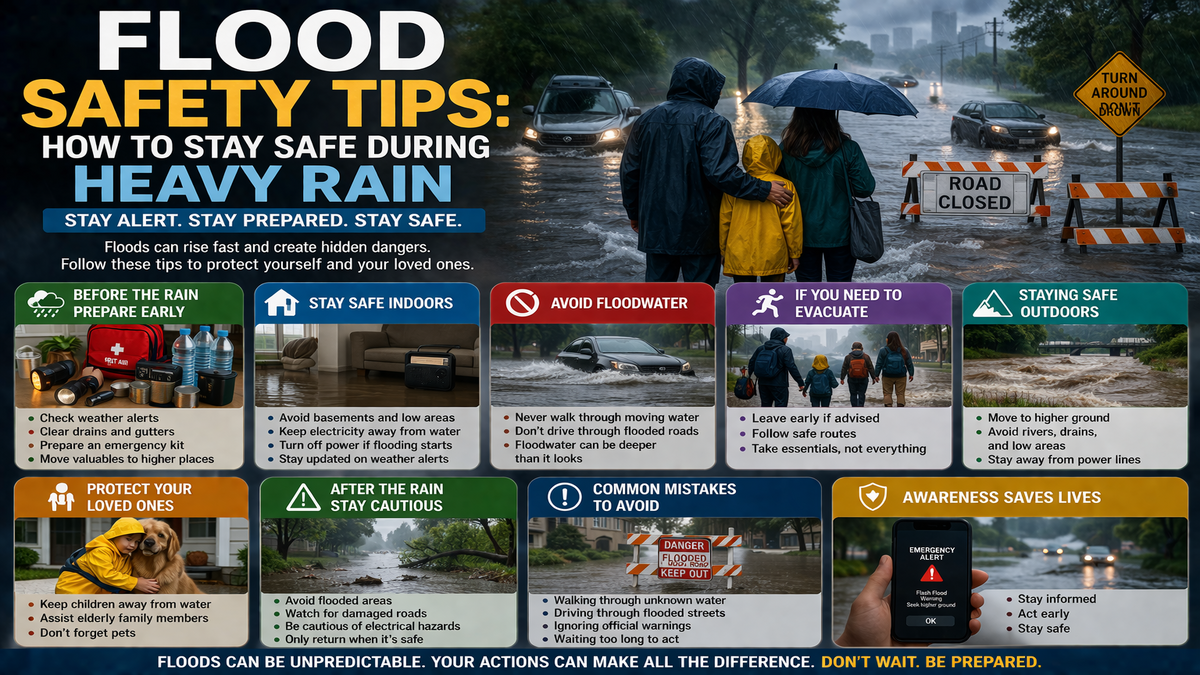
- Check local weather updates and alerts
- Clear drains and gutters around your home
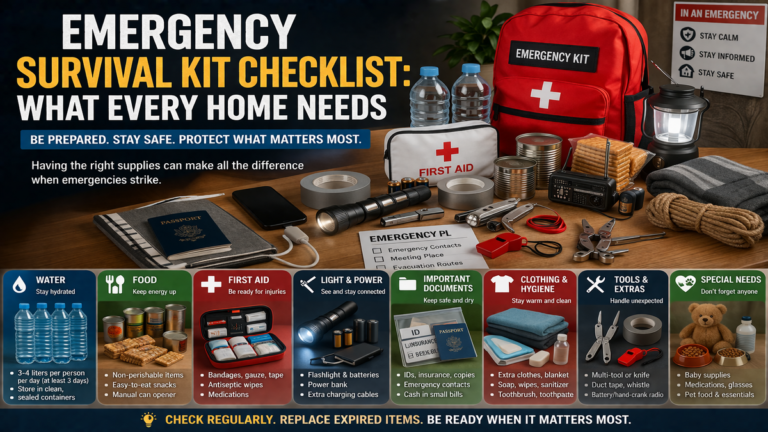
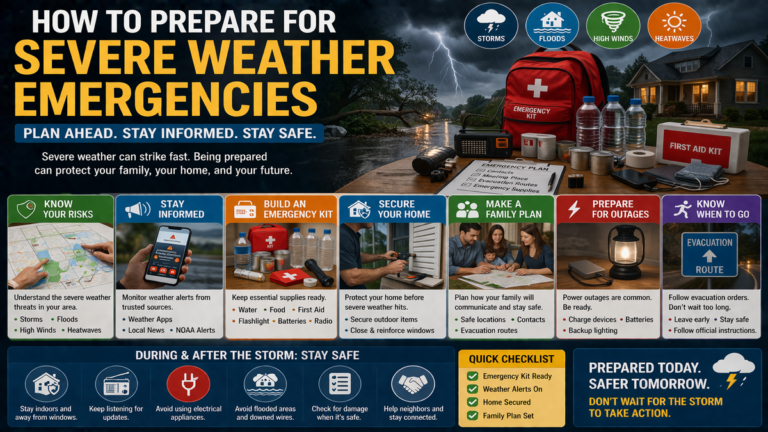
- Keep an emergency kit ready
- Move important items to higher ground
If you live in a flood-prone area, it’s worth planning ahead rather than reacting later.
Staying Safe Indoors During Flooding
If you’re at home during heavy rain, staying inside is often the safest option — but with precautions.
- Avoid basements or low-lying rooms
- Keep electrical appliances away from water
- Turn off power if flooding begins to enter your home
- Stay updated through reliable news or alerts
Water and electricity are a dangerous combination. It’s important to act early, not after water levels rise.
Avoid Walking or Driving Through Floodwater
One of the most common — and dangerous — mistakes is underestimating floodwater.
- Just a small amount of moving water can knock a person off balance
- Vehicles can lose control in surprisingly shallow water
- Roads beneath floodwater may be damaged or missing
If you’re outside, the safest choice is simple: avoid floodwater entirely.
If You Need to Evacuate
Sometimes staying put isn’t safe.
If authorities advise evacuation:
- Leave early rather than waiting
- Follow recommended routes
- Carry essentials, not everything
Trying to leave at the last moment often leads to congestion and higher risk.
Staying Safe Outdoors
If you’re caught outside during heavy rain:
- Move to higher ground immediately
- Avoid rivers, drains, and low-lying areas
- Stay away from electrical poles and wires
Situational awareness matters. Conditions can change quickly, and safe areas can become unsafe within minutes.
Protecting Children, Elderly, and Pets
Flood situations can be more challenging for vulnerable groups.
Make sure:
- Children are supervised and kept away from water
- Elderly family members have assistance if needed
- Pets are brought indoors or moved to safe areas
Planning for everyone in your household makes response easier.
After the Rain Stops: Risks Still Remain
Just because the rain has stopped doesn’t mean it’s safe.
Post-flood risks include:
- Contaminated water
- Weak structures or damaged roads
- Electrical hazards
Avoid entering flooded areas until authorities confirm it’s safe.
Common Mistakes to Avoid
In stressful situations, people often act on instinct — and that can lead to mistakes.
Avoid:
- Walking through unknown water levels
- Driving through flooded streets
- Ignoring official warnings
- Waiting too long to act
Quick decisions matter, but informed decisions matter more.
The Role of Awareness and Preparedness
Flood safety isn’t just about reacting in the moment. It’s about knowing what to do before things escalate.
Communities that stay informed and prepared tend to handle heavy rain situations more effectively.
The Takeaway
These flood safety tips are simple, but they matter. Flooding doesn’t always look dangerous at first — and that’s part of the problem.
Staying safe comes down to awareness, early action, and avoiding unnecessary risks. When conditions change quickly, the best response is a calm, informed one.