Most people only interact with emergency services at their worst moments — an accident, a medical crisis, a fire. What’s less visible is the system working behind those moments. The Department of Emergency Services isn’t just a response unit. It’s a coordinated structure that manages risk, prepares communities, and keeps critical services running when things go wrong.
Understanding its responsibilities gives a clearer picture of how public safety actually works on the ground.
What Is a Department of Emergency Services?
A Department of Emergency Services typically oversees and coordinates multiple emergency functions within a region. This can include ambulance services, disaster management, emergency communication, and sometimes coordination with police and fire departments.
Its role is less about a single response — and more about making sure every response works together.
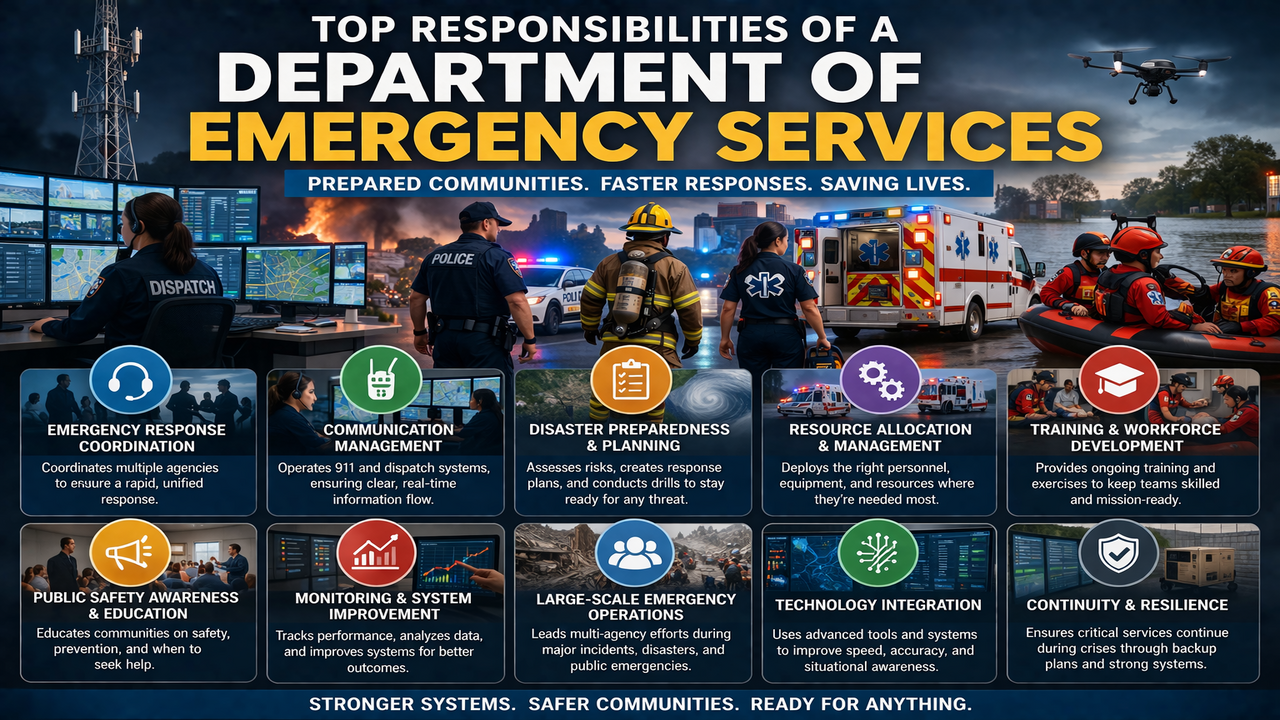
Emergency Response Coordination
One of the primary responsibilities is coordinating emergency response across different agencies.
When an incident occurs, multiple teams may be involved:
- Medical responders
- Fire services
- Law enforcement
- Rescue teams
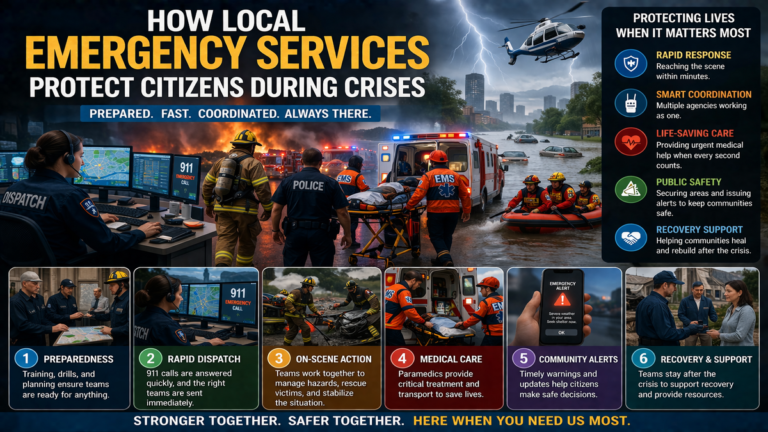
The department ensures these groups operate in sync, avoiding delays or confusion. Coordination is what turns individual efforts into an effective response.
Managing Emergency Communication Systems
Emergency communication is the backbone of response.
Departments oversee:
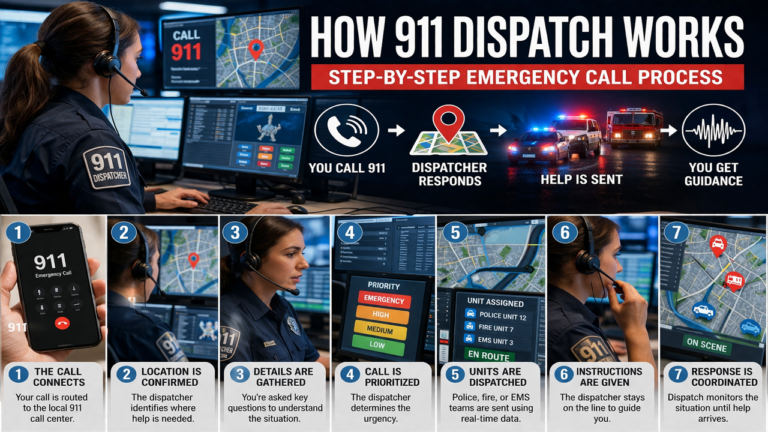
- 911 or local emergency call systems
- Dispatch operations
- Communication between field teams
This includes ensuring calls are routed correctly, information is accurate, and responders receive updates in real time.
Without strong communication systems, even the fastest responders can lose valuable time.
Disaster Preparedness and Planning
Emergency services don’t wait for disasters — they prepare for them.
Planning involves:
- Risk assessments for natural and man-made hazards
- Developing evacuation and response plans
- Conducting drills and simulations
Preparedness reduces chaos when real events occur. It allows teams to act based on plans, not guesswork.
Resource Allocation and Management
Emergency situations require the right resources at the right time.
Departments are responsible for:
- Deploying ambulances, equipment, and personnel
- Managing availability during high-demand periods
- Ensuring backup resources are ready
Efficient resource management is what keeps response times consistent, even during peak demand.
Training and Workforce Development
Emergency response depends on people — and those people need constant training.
Departments ensure:
- Staff are trained in current protocols
- Simulation exercises are conducted regularly
- Skills are updated based on new challenges and technologies
Training isn’t occasional. It’s ongoing, because emergencies don’t follow predictable patterns.
Public Safety Awareness and Education
Prevention is just as important as response.
Departments run programs to educate the public about:
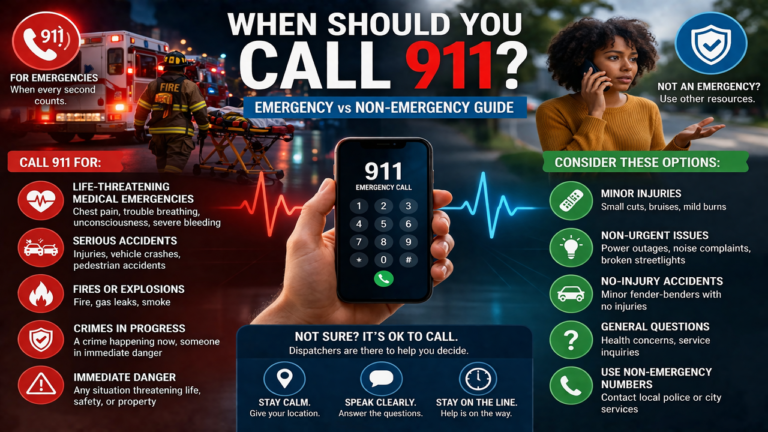
- When to call emergency services
- Basic first aid and safety practices
- Disaster preparedness
An informed community reduces unnecessary emergencies and improves response outcomes.
Monitoring and Improving Response Systems
Emergency services are constantly evaluated.
Departments track:
- Response times
- Call volumes
- Outcomes of incidents
This data helps identify gaps and improve performance over time. Systems are adjusted based on real-world results, not assumptions.
Supporting Large-Scale Emergency Operations
During major incidents — natural disasters, large accidents, or public emergencies — the department plays a central role.
Responsibilities include:
- Coordinating multiple agencies across regions
- Managing communication flow
- Supporting evacuation and relief efforts
These situations require structure and leadership, which the department provides.
Integrating Technology Into Emergency Services
Modern emergency services rely heavily on technology.
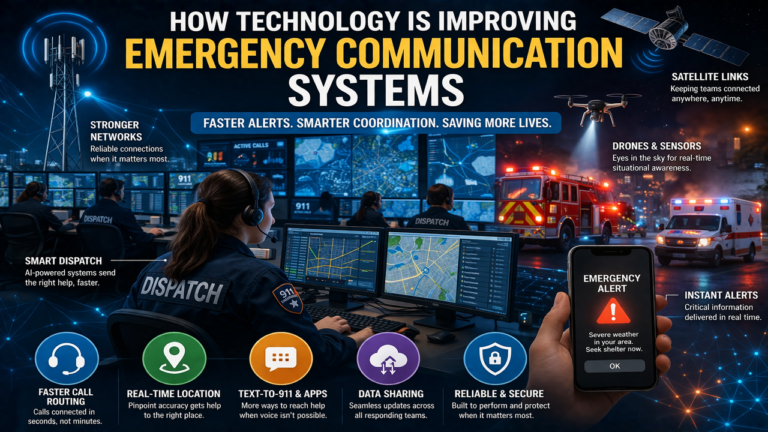
Departments oversee tools such as:
- Computer-aided dispatch systems
- Real-time tracking and communication tools
- Emergency alert systems
Technology improves speed and accuracy, but it still depends on proper implementation and oversight.
Maintaining Continuity During Crises
One of the less obvious responsibilities is ensuring services continue even during extreme situations.
This includes:
- Backup communication systems
- Alternate response plans
- Redundancy in critical infrastructure
The goal is simple — the system must keep working, no matter the circumstances.
The Bigger Picture
The Department of Emergency Services doesn’t just respond to emergencies. It builds the structure that makes response possible.
From planning and training to coordination and communication, its responsibilities cover every stage of emergency management.
The Takeaway
The top responsibilities of a Department of Emergency Services go far beyond what most people see. While responders are the visible front line, the department operates behind the scenes — organizing, preparing, and ensuring everything works when it matters most.
It’s not just about reacting quickly. It’s about being ready before the emergency even begins.