If you’ve ever called emergency services, the response probably felt immediate — someone answered, asked a few direct questions, and help was on the way. What’s easy to miss is that your call was just one among hundreds, sometimes thousands, handled that same day.
Behind that calm voice is a system built to manage constant pressure. Understanding how emergency services handle thousands of calls every year reveals just how much coordination, technology, and human judgment goes into every response.
The Scale Most People Never See
Emergency call centers don’t operate in bursts — they run continuously.
In large cities, dispatch centers may handle:
- Thousands of calls per day
- Multiple emergencies at the same time
- Peak surges during weekends, holidays, or disasters
Even smaller regions deal with steady volumes that require constant readiness.
The system is designed to absorb that demand without slowing down.
The First Line: Call Takers and Dispatchers
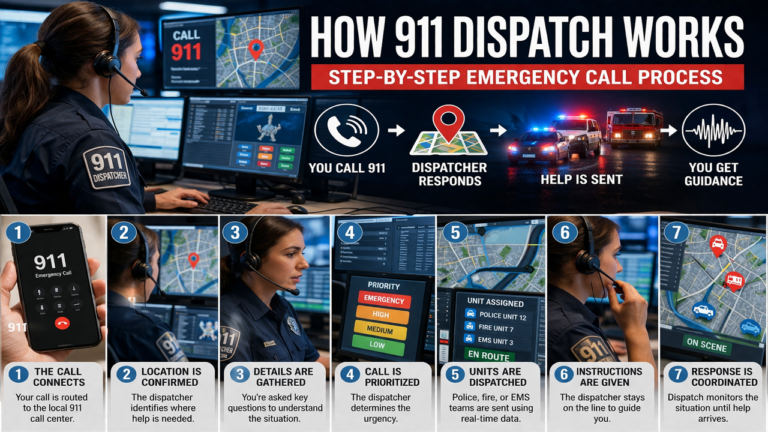
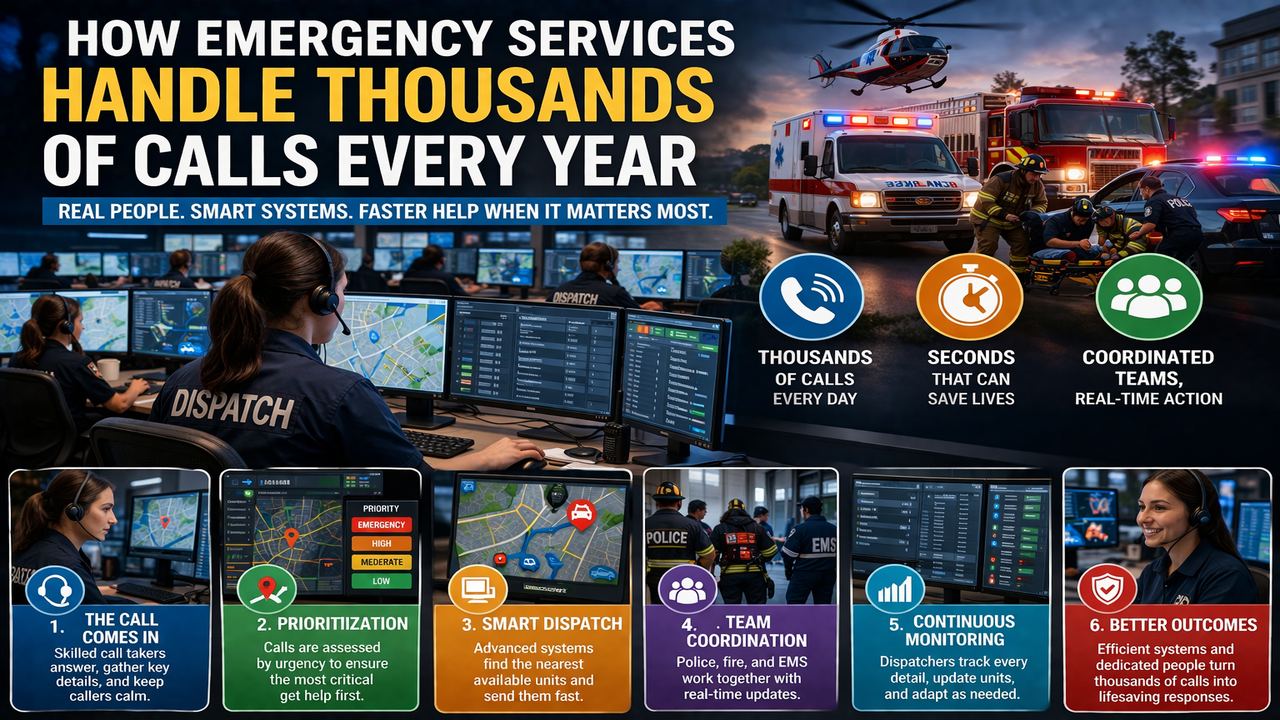
Every call begins with a trained professional who answers, assesses, and directs the situation.
Call takers focus on:
- Identifying the location
- Understanding what’s happening
- Keeping the caller calm
Dispatchers, often working alongside them, coordinate response units based on the information received.
In many centers, these roles overlap — requiring quick thinking and clear communication under pressure.
Prioritization: Not Every Call Is Equal
One of the most important ways emergency services manage high call volumes is through prioritization.
Calls are categorized based on urgency:
- Life-threatening emergencies receive immediate response
- High-risk situations follow closely
- Non-critical cases are handled as resources allow
This system ensures that the most serious situations are never delayed because of less urgent calls.
Technology That Keeps Everything Moving
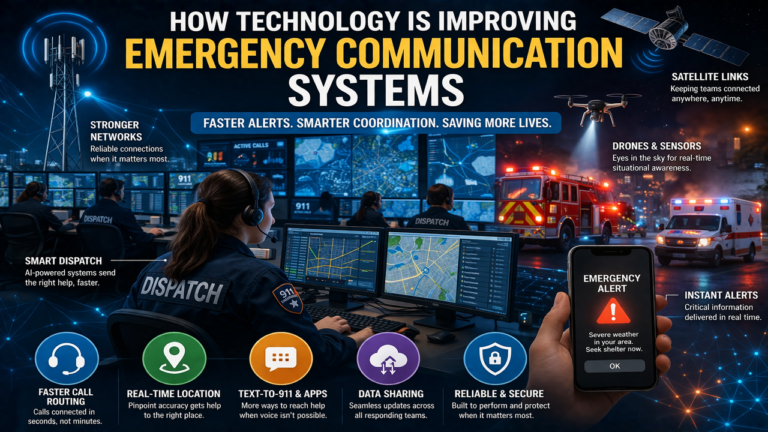
Modern emergency services rely heavily on technology to manage large volumes efficiently.
Key systems include:
- Computer-aided dispatch (CAD) software
- GPS tracking for responders
- Automated call routing
- Real-time data sharing between teams
These tools allow dispatchers to process information quickly and send help without unnecessary delays.
Technology doesn’t replace decision-making — it speeds it up.
Multi-Agency Coordination in Real Time
Many emergencies require more than one type of response.
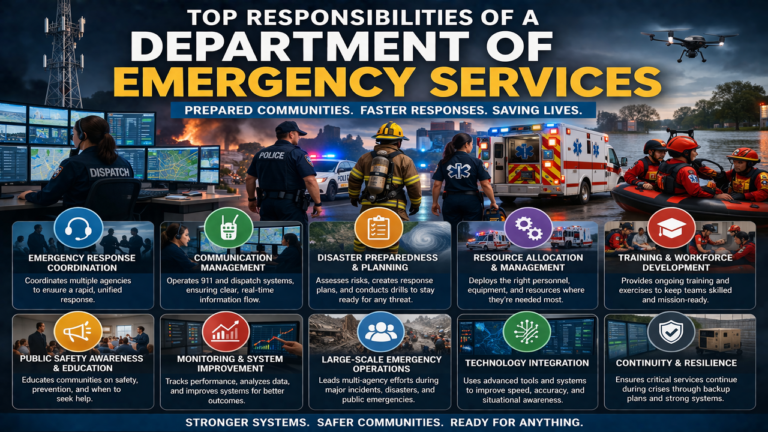
A single incident — like a major accident — might involve:
- Police for scene control
- Fire services for rescue
- EMS for medical care
Dispatch centers coordinate all of this simultaneously, ensuring the right teams arrive in the right order.
Handling multiple agencies at once is a routine part of managing high call volumes.
Managing Peak Times and Surges
Call volumes aren’t evenly distributed throughout the day.
Certain times see spikes:
- Late nights and weekends
- Severe weather events
- Public holidays or large gatherings
During these periods, additional staff may be scheduled, and systems are adjusted to handle increased demand.
Flexibility is built into the system.
The Human Factor: Staying Calm Under Pressure
Handling thousands of calls isn’t just a technical challenge — it’s a human one.
Dispatchers deal with:
- Distressed callers
- Incomplete or unclear information
- High-stakes decisions made in seconds
Despite this, they’re trained to remain calm, focused, and precise.
That consistency is what keeps the system functioning smoothly, even during chaos.
Reducing Overload: Public Awareness Matters
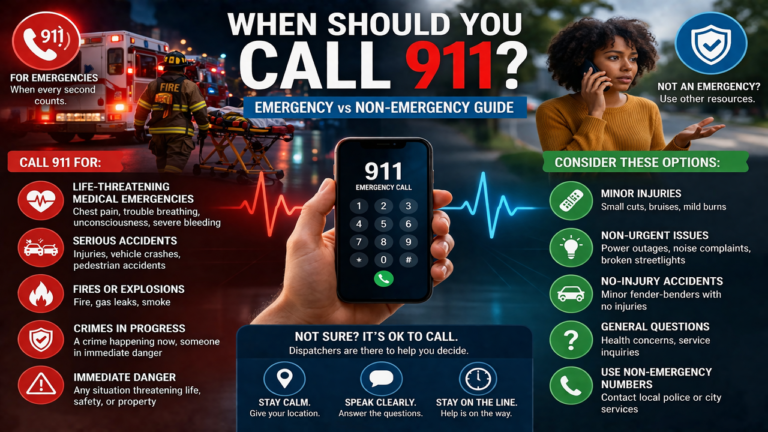
Not every call to emergency services is truly urgent. Misuse of the system can increase pressure and slow response for critical cases.
Common issues include:
- Calling for non-emergencies
- Lack of clear information
- Multiple callers reporting the same incident
Public awareness about when to call — and how to communicate effectively — plays a key role in managing call volume.
Continuous Monitoring and Adaptation
Emergency systems are constantly evaluated and improved.
Agencies track:
- Response times
- Call handling efficiency
- Resource allocation
This data helps refine processes and ensure the system keeps up with growing demand.
Adaptation is ongoing — not occasional.
What Happens After the Call Ends
Even after your call is completed, the system keeps working.
Dispatchers continue to:
- Monitor the situation
- Communicate with responders
- Update information as conditions change
Handling thousands of calls isn’t just about answering phones — it’s about managing entire situations from start to finish.
The Bigger Picture
The ability to handle high call volumes comes down to structure.
Clear protocols, trained professionals, and reliable systems allow emergency services to process large numbers of calls without losing focus on individual cases.
Each call is treated as urgent — even when the system is handling many at once.
The Takeaway
Understanding how emergency services handle thousands of calls every year shows just how organized and resilient these systems are. What feels like a simple phone call is part of a larger network designed to manage constant demand without compromising care.
It’s a balance of speed, prioritization, and coordination — repeated thousands of times, every single year.